



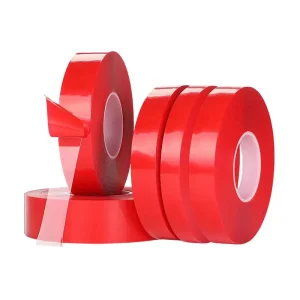
China PET Double-Sided Tape from China - Flexible Carrier Supplier & Factory for Mobile Phone and Camera Applications Manufacturers, Suppliers
View Specifications
Select from internationally certified insulation, bonding, and thermal management tape configurations manufactured in dust-free cleanrooms under strict ISO 9001 protocols.
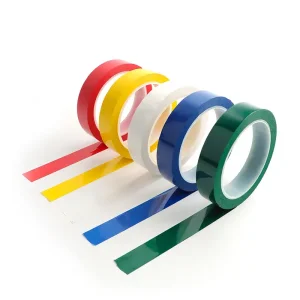
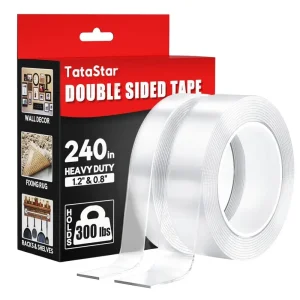
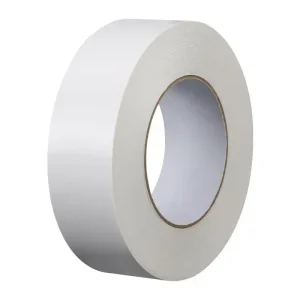
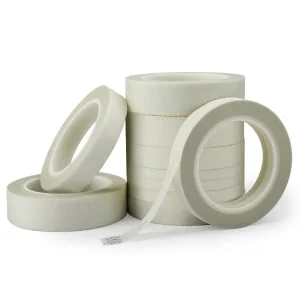
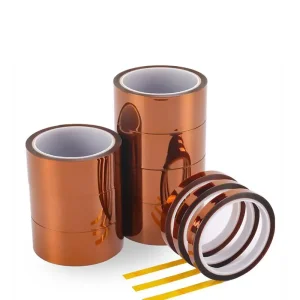
A technological deep dive into alkali-free E-glass textile chemistry, cross-linked silicone pressure-sensitive adhesives, and modern high-temperature dielectric barriers.
Glass fabric tape (commonly classified as glass cloth tape or fiberglass electrical insulation tape) represents a pinnacle category within advanced dielectric and thermal-protection adhesive engineering. Unlike standard polymeric films such as BOPP or generic PET polyester, glass fabric utilizes tightly woven yarn drawn from inorganic, alkali-free electrical grade glass (E-Glass, containing less than 0.8% alkali metal oxides). This woven carrier imparts virtually zero mechanical elongation (< 3%), extraordinary cross-directional tensile strength exceeding 180 N/cm, and an intrinsic non-combustible threshold that withstands continuous thermal loads up to Class H (180°C) and Class N (200°C).
The manufacturing process pioneered by top-tier Chinese manufacturers involves high-precision sizing, warp-and-weft silane coupling treatment, and computerized reverse-roll coating in Class 10,000 dust-free workshops. By introducing reactive organofunctional silanes during the textile preparation stage, modern plants eliminate yarn fuzzing, dramatically improve microscopic resin pick-up, and provide an immovable anchor for advanced adhesive polymer systems.
Thermosetting Adhesive Formulations: Glass cloth tapes engineered in Guangdong production hubs employ two primary adhesive technologies: thermosetting cross-linked acrylics (for freon solvent resistance and varnish absorption) and high-tack polysiloxane silicone matrices (for continuous 200°C exposure, clean peel without residue, and plasma arc resistance).
Over the past decade, Chinese pressure-sensitive adhesive manufacturers have shifted from commodity packaging tapes to ultra-high-reliability industrial grade composites. A notable milestone is the production of true drop-in functional substitutes for legacy industry benchmarks, such as 3M 69 Electrical Glass Cloth Tape and Nitto Denko No. 188UL.
Global procurement teams evaluating Chinese factories now encounter technical specifications that match or surpass legacy tier-one suppliers: dielectric breakdown ratings exceeding 3.0 kV to 5.0 kV, flame retardancy tested against UL 510 flammability protocols, and total compatibility with solventless insulating impregnating varnishes (such as polyester, epoxy, and polyurethane resins). These tapes maintain mechanical integrity during varnish baking cycles reaching 200°C without flagging, edge shrinkage, or adhesive transfer.
As electrical engineering standards rapidly transition toward higher power densities in electric vehicle drivetrains and photovoltaic inverters, Chinese facilities provide high-yield log rolls, custom continuous slitting down to 3 mm widths, and specialized die-cut geometries packaged with automated rewinding inspection systems.
The confluence of a fully integrated upstream chemical supply chain, advanced multizone ovens, and precision converting infrastructure delivers unmatched economies of scale.
China is home to the world's largest concentration of electronic-grade fiberglass yarn spinning and air-jet weaving capacity. Chinese adhesive coaters source ultrafine woven cloth directly from domestic industrial clusters, eliminating import tariffs and international freight overhead. Combined with local synthesis of specialty silicone rubbers and thermosetting acrylic polymers, Chinese factories offer an agile cost structure that yields a 30% to 50% cost advantage over Western and Japanese competitors without compromising dielectric purity.
Modern Chinese manufacturers have replaced legacy manual dipping lines with high-speed, continuous multi-zone suspension coating equipment. These lines operate in ISO Class 8 (100,000) and Class 7 (10,000) cleanrooms equipped with beta-ray or radiometric closed-loop adhesive weight sensors. Real-time coating weight regulation guarantees consistency across web widths up to 1060 mm, ensuring zero pinholes, even adhesive thickness (±0.002 mm), and defect-free dielectric barriers.
Global electronics manufacturers rarely consume glass fabric tape in master rolls alone. Leading Chinese factories provide complete downstream converting integration. High-speed turret slitters produce clean-cut edges without fiber fraying down to 2 mm. In-house rotary and flatbed die-cutting presses produce custom shapes, kiss-cut discs on extended release liners, and multi-layer composites paired with copper foil, polyimide film, or vulcanized fiber paper for automated robotic assembly.
Electrification, renewable grid expansion, and extreme operating parameters are driving compound annual growth across the high-temperature dielectric textile segment.
The global automotive industry's migration from 400V to 800V silicon carbide (SiC) inverter architectures has intensified requirements for electrical insulation and thermal boundary safety. Glass fabric tapes are indispensable in high-voltage traction motors for hairpin stator winding slot insulation, lead wire strapping, and end-turn binding. In lithium-ion battery packs, flame-retardant fiberglass tapes with silicone adhesives serve as thermal runaway barriers, preventing cell-to-cell flame propagation at temperatures exceeding 600°C.
Wind energy turbines, utility-scale photovoltaic solar substations, and high-speed rail systems demand Class H (180°C) dry-type transformers capable of handling harsh ambient variations and cyclical power surges. Glass fabric tapes provide high tensile anchoring for heavy copper windings, core wrapping, and outer layer mechanical protection. Their porous woven structure allows thorough impregnation of high-solids insulating varnishes, creating a void-free dielectric unit resistant to partial discharge.
Global regulatory frameworks such as EU RoHS, REACH (SVHC), and halogen-free directives (IEC 61249-2-21) strictly prohibit toxic brominated flame retardants, PFAS surfactants, and volatile organic solvent emissions. Modern Chinese tape factories have embraced water-based environmental primers, high-solids silicone polymerization, and low-VOC manufacturing processes. This transition guarantees international compliance and minimizes environmental footprints across global electrical hardware supply chains.
From heavy industrial power equipment to aerospace harness shielding, glass fabric tape serves distinct structural and electrical functions.
In high-torque industrial electric motors, heavy mechanical vibration, centrifugal forces, and continuous thermal cycling can cause winding abrasion. Glass fabric tape provides extraordinary tensile restraint. When wound over coil lead connections, terminal lugs, and stator end-turns, it immobilizes conductors against electrodynamic forces during start-up overloads. The high shear strength of cross-linked thermosetting adhesives prevents tape loosening even under cyclic temperatures up to 200°C.
Aerospace, turbine engine, and heavy industrial component manufacturing frequently utilize high-energy thermal spray coating processes (such as HVOF, plasma spray, and flame spraying). Glass fabric tape featuring a heavy-weight silicone adhesive layer acts as a sacrificial masking barrier. It withstands intense thermal radiant energy up to 260°C and grit-blasting particle impingement without tearing, peeling cleanly from complex geometries without adhesive residue.
| Performance Parameter | E-Glass Silicone Tape (Class H) | E-Glass Acrylic Tape (Class F) | Polyimide Film (PI) Tape | PET Polyester Mylar Tape |
|---|---|---|---|---|
| Base Carrier Material | Woven Alkali-Free E-Glass | Woven Alkali-Free E-Glass | Polyimide Film (Kapton Type) | Biaxially Oriented PET Film |
| Continuous Thermal Limit | 180°C – 200°C (Class H/N) | 155°C (Class F) | 260°C (Continuous) | 130°C (Class B) |
| Adhesive Chemistry | Thermosetting Silicone Rubber | Thermosetting Solvent Acrylic | Cross-linked Silicone | Solvent Acrylic / Rubber |
| Tensile Strength (N/cm) | ≥ 180 N/cm (Extremely High) | ≥ 170 N/cm (Extremely High) | ≥ 45 N/cm (Moderate) | ≥ 40 N/cm (Moderate) |
| Elongation at Break (%) | ≤ 3% (Zero Stretch) | ≤ 4% (Zero Stretch) | ≥ 45% (High Flexibility) | ≥ 80% (High Stretch) |
| Dielectric Breakdown Voltage | 3.0 kV to 4.5 kV | 3.0 kV to 4.0 kV | 5.0 kV to 7.0 kV | 4.5 kV to 5.5 kV |
| Solvent & Varnish Absorption | Porous, Absorbs Resin Matrix | Excellent Impregnation Hold | Non-Porous, Barrier Only | Non-Porous, Barrier Only |
| Abrasion & Tear Resistance | Outstanding Structural Armor | Outstanding Structural Armor | Moderate Puncture Resistance | Standard Tear Resistance |
How Chinese precision tape factories ensure batch-to-batch repeatability, zero pinholes, and strict dimensional stability for export markets.
Incoming inspection verifies E-glass yarn density, warp/weft pick count, silane coupling agent uniformity, loss-on-ignition, and alkali oxide content (<0.8%).
Application of high-purity silicone or acrylic polymer solutions in a Class 10,000 cleanroom using automated reverse roll coaters with radiometric thickness control.
Gradual thermal curing across a 45-meter multizone drying tunnel (90°C to 180°C) activates cross-linking agents, completely evaporating solvent carriers without pinholing.
High-speed laser-guided slitting machines slice master logs into target widths with clean fray-free edges, followed by continuous spark dielectric and peel testing.
Critical engineering criteria international procurement teams must audit when qualifying a Chinese adhesive tape manufacturer.
Ensure the manufacturer provides valid third-party test certificates under ISO 9001:2015, UL 510 flammability yellow cards (OANZ2 component recognition), SGS RoHS 2.0 (10 substances), and REACH SVHC reports updated annually. For automotive battery and inverter supply chains, inquire if the factory conforms to IATF 16949 automotive manufacturing management frameworks.
Clarify slitting tolerances and roll formats early in procurement. High-tier Chinese coaters provide both master logs (typically 1060 mm × 33 m or 50 m) for regional converters and slit rolls in specific widths (from 6 mm to 500 mm). Verify that edge slitting precision is held to ±0.2 mm to prevent edge fraying and unwind snagging during automated taping machine operations.
Glass cloth tapes coated with thermosetting adhesives require climate-controlled packaging for ocean freight. Reputable exporters wrap each roll in individual shrink film with desiccant packets, package them in heavy corrugated cartons, and ship on moisture-barrier wrapped fumigated plastic pallets to prevent core collapsing, adhesive edge exudation, or humidity exposure across maritime transit.
In-depth engineering answers addressing adhesive selection, varnish absorption, thermal limits, and quality qualification.
Browse our extended product lineup including transformer mylar insulation, precision polyimide films, glass fiber banding, and structural nano bonding tapes.
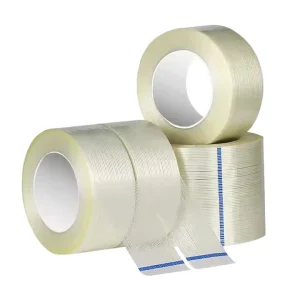
Provide your substrate material, operating temperature limits, and target width requirements. Our applications engineering lab will dispatch matched roll samples and comprehensive Technical Data Sheets (TDS) within 24 hours.