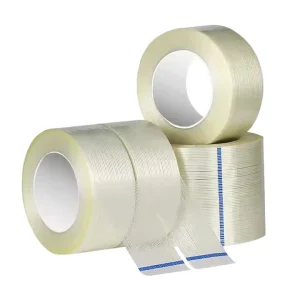
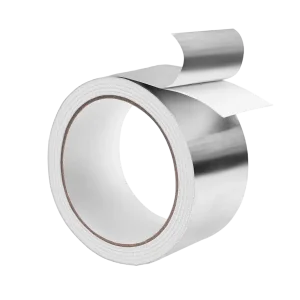
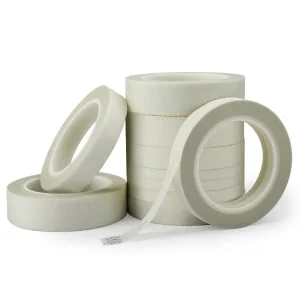
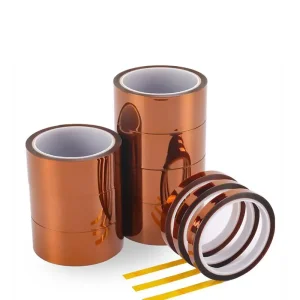
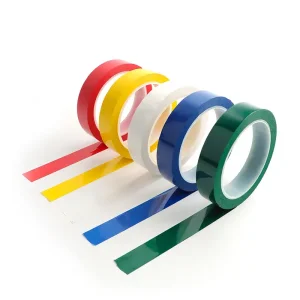
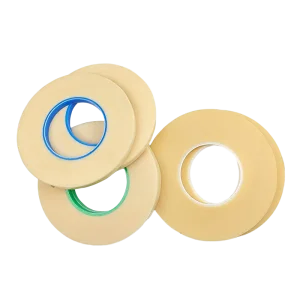
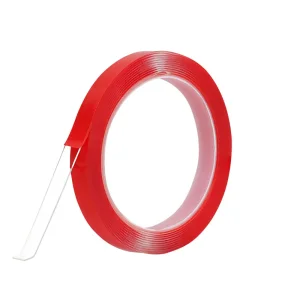
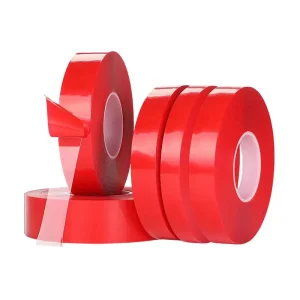
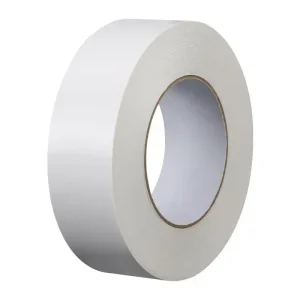
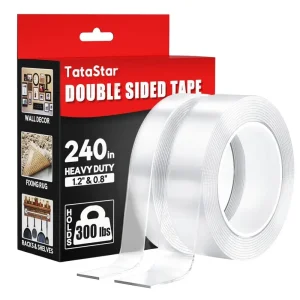
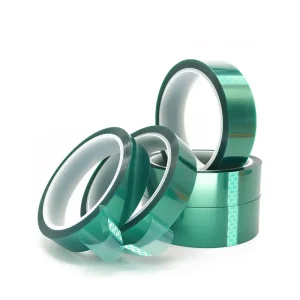
Engineered substrate rolls calibrated for high-speed continuous round die-cutting operations and multi-tier rotary convertors.
Analysis of high-speed round cutting die engineering, advanced metallurgical selections, and yield optimization across automated converting lines.
Round cutting dies produced by top-tier Chinese manufacturers utilize premium vacuum-degassed tool steels, including D2, DC53, and high-vanadium powder metallurgy matrices. Heat-treated to uniform matrix densities, these cylindrical and flexible magnetic dies resist compressive deformation under heavy line loads, ensuring edge retention over millions of continuous rotary cycles.
Utilizing high-end CNC cylindrical grinding and synchronized electrical discharge machining (EDM), each circular die is profiled with blade angles balanced for clean kiss-cutting or complete through-cutting. Bearer rings and body concentricity are locked within micro-tolerances to eliminate web chatter and liner strike at speeds exceeding 400 m/min.
To overcome adhesive build-up when converting pressure-sensitive polyimide, mylar, and acrylic VHB tapes, tooling surfaces receive specialized coatings such as Diamond-Like Carbon (DLC), Physical Vapor Deposition (PVD) TiAlN, and fluoropolymer non-stick barriers. This eliminates operational adhesive bleed and reduces unplanned downtime.
Custom round cutting dies engineered to meet strict international manufacturing tolerances across diverse industrial sectors.
Fabrication of precise thermal interface pads, gold-finger circuit masks, and copper foil EMI shields. Dies operate within Class 1,000 cleanroom environments, preventing particulate shedding while kiss-cutting ultra-thin 0.025mm polyimide substrates without micro-fracturing delicate dielectric liners.
Continuous converting of pouch cell insulation wraps, dielectric fiberglass separator strips, and aerogel thermal barrier gaskets. Round dies resist edge wear caused by abrasive ceramic coatings on battery films, holding dimensional stability across multi-million cycle automated battery lines.
High-shear rotary tooling engineered for processing viscoelastic acrylic foam tapes (VHB equivalent) and closed-cell PE dampening foams. Specialized air-ejection and vacuum-assisted round dies ensure zero distortion of internal foam geometries during rapid web extraction.
Leading Chinese die makers adhere to ISO 9001:2015 Quality Management Systems, alongside CE machine directives and strict RoHS/REACH material safety protocols. Each cylindrical tool undergoes 3D coordinate-measuring machine (CMM) mapping and optical laser interferometry, providing overseas purchasers with serialized inspection dossiers, metallographic reports, and balanced dynamic balancing certificates ready for custom cross-border logistics.
Strategic technological initiatives advancing rotary converting tooling into Industry 4.0 automation.
Integrated embedded RFID and piezoelectric vibration sensors inside cylinder cores to monitor temperature, line pressure, and blade wear in real time.
Transitioning from traditional rotary EDM to ultra-short pulsed lasers, achieving blade tip radii below 1.5 microns for zero-burr converting.
Integrating deep sub-zero thermal cycling (-196°C) to transform retained austenite into martensite, boosting operational lifespan by more than 300%.
Developing in-line magnetic flux adjustment modules that automatically correct radial run-out and compensate for thermal expansion during high-speed runs.
Direct answers for tool designers, converting plant managers, and industrial procurement professionals.
High-end Chinese manufacturers achieve body concentricity within ±0.002mm and blade height variations within ±0.0015mm via synchronized CNC finishing. This level of precision enables reliable kiss-cutting on release liners as thin as 0.018mm without score marks or pinhole penetration.
We apply plasma-sprayed fluoropolymer matrix coatings or DLC coatings with surface energy levels below 18 mN/m. Combined with engineered clearance relief angles on the blade shoulders, this prevents hot-melt, acrylic, and silicone adhesive build-up along the cutting perimeter.
Solid rotary dies are machined from single-piece forged tool steel cylinders, providing maximum rigidity for thick, abrasive, or dense multi-layer substrates. Flexible magnetic dies utilize etched, chemically hardened steel plates mounted on magnetic cylinders, providing faster turnarounds and lower shipping costs for shorter, multi-SKU runs.
Every industrial tooling shipment is supplied with a comprehensive quality dossier, including steel mill composition test reports, Rockwell hardness test certificates, dynamic balance test curves, and high-resolution 3D profile inspection scans verifying critical dimensions before crating.
Engineered rolls, foam cores, and high-tack laminates optimized for continuous rotary web converting setups.