



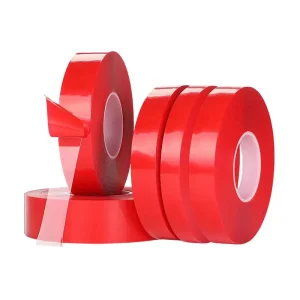
Wholesale China PET Double-Sided Tape Supplier - Flexible Adhesion for Mobile Phones, Cameras, and More
View Specifications
Explore our core converting materials designed for tight-tolerance die-cutting, high-temperature masking, electromagnetic shielding, and permanent structural bonding.
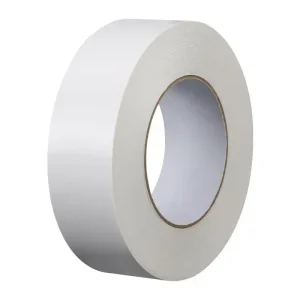
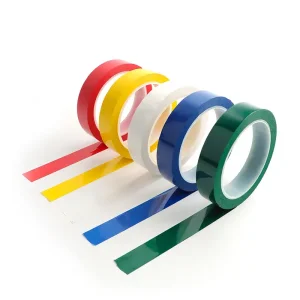
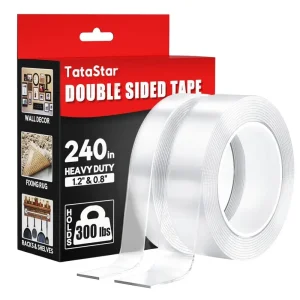
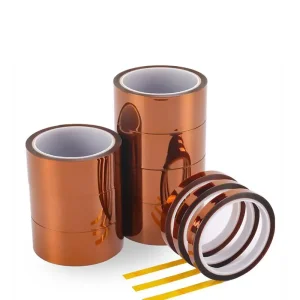
The modern manufacturing landscape demands structural adhesives that provide more than basic mechanical attachment. Today's precision die-cut components function as integrated thermal, electrical, and environmental interfaces.
As smart devices, wearable biosensors, and 5G communication modules compress physical space, traditional mechanical fasteners (screws, clips, welding) create intolerable weight and stress concentrations. Custom die-cut components with thin-gauge PET carriers and pure acrylic transfers maintain mechanical shear strength under extreme shock and vibration while occupying sub-millimeter bond-lines.
Global original design manufacturers (ODMs) increasingly procure die-cut assemblies that integrate multiple distinct material layers into a single pick-and-place component. By laminating copper foil EMI shields, ceramic-filled thermally conductive adhesives, and polyimide dielectric backings, convertors eliminate multi-step manual assembly sequences on client automated SMT lines.
In aerospace avionics, ADAS automotive cameras, and medical optical displays, chemical outgassing creates optical fogging and electrical failure. Precision-synthesized silicone and UV-cured acrylic adhesive formulations provide long-term weatherability, hydrophobic IP67/IP68 sealing, and thermal stability from -40°C up to 260°C without volatile degradation.
Procurement directors and design-for-manufacturing (DFM) engineers evaluate die-cut converting partners against strict technical and operational criteria to prevent field failures and production line bottlenecks.
Die-cut components must be supplied on continuous wound reels with zoned differential release liners, precision target registration pilot holes, and engineered pull-tabs that synchronize flawlessly with high-speed automated robotic dispensers.
Every shipment must trace raw resin lots, coating run parameters, and cleanroom slitting timestamps. UL94 V-0 flame-retardant listings, SGS verification, and complete RoHS/REACH regulatory dossiers are mandatory baselines.
Tier-1 procurement teams avoid pure build-to-print suppliers. They seek collaborative application engineering partners who advise on adhesive rheology, carrier dielectric constant, shear-to-peel trade-offs, and tool configuration during early CAD/Gerber reviews.
Suppliers must minimize expensive substrate scrap, deliver consistent roll tension that prevents SMT jamming, and provide dual-factory redundancy to safeguard global supply pipelines against regional logistical disruptions.
How the Pearl River Delta industrial cluster, combined with digitized coating and automated multi-station rotary converting, creates an unbeatable efficiency and scale ecosystem.
Unlike regional converters who purchase master rolls from third parties, Huayuan synthesizes specialty adhesives, operates high-speed precision coating lines, and controls dust-free rewinding in-house across Zhuhai and Zhongshan facilities. Controlling the chemistry eliminates 30-40% of compounding markups and guarantees absolute batch-to-batch polymer repeatability.
Equipped with 10-station to 16-station continuous rotary die-cutting systems with in-line CCD machine vision inspection. These systems perform multi-web lamination, island placement, kiss-cutting, waste stripping, and liner exchange in a synchronized, single-pass operation at line speeds up to 60 meters per minute.
Direct proximity to deep-water ports in Shenzhen, Guangzhou, and Hong Kong facilitates seamless intermodal transit. Raw specialty chemical inputs (fluoropolymers, silicone resins, PI films) are sourced through domestic corridors, insulating production schedules from trans-oceanic supply chokepoints.
| Material / Construction Category | Carrier & Chemistry | Thermal Window | Dielectric / Conductivity | Typical Die-Cut Application |
|---|---|---|---|---|
| Polyimide (Kapton Equivalent) | PI Film + High-Tack Silicone | -40°C to 260°C (300°C peak) | >5.0 kV breakdown | PCB SMT gold-finger masking, Li-ion pouch cell tab insulation |
| PET Double-Sided Film | Biaxially Oriented PET + Modified Acrylic | -20°C to 120°C | Standard insulation | Optically clear bezel bonding, camera lens gaskets, LCD housing |
| VHB Acrylic Viscoelastic Foam | Closed-Cell Acrylic Foam Core | -35°C to 150°C | Vibration damping | Automotive exterior trims, structural electronics chassis mounting |
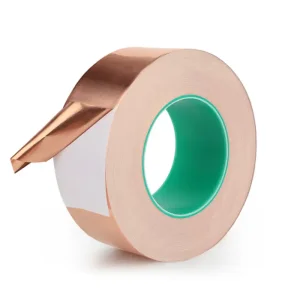
| Copper Foil EMI Shielding | Rolled Copper Foil + Conductive Acrylic | -20°C to 130°C | <0.05 Ω/sq conductivity | RF grounding, flexible flat cable (FFC) shielding, IoT antennae |
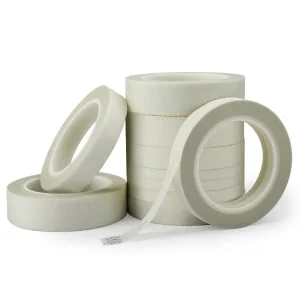
| Glass Cloth / Fiber Tape | Woven Alkali-Free Glass + Silicone | Class H (180°C) | High mechanical burst | Heavy-duty transformer coil wrapping, traction motor insulation |
From consumer micro-optics to high-voltage electric vehicle battery packs, our die-cut designs perform under rigorous environmental stress.
Precision-slit PET double-sided tapes and hydrophobic mesh gaskets provide IP68 acoustic water resistance, camera lens dust sealing, and battery pull-tab release systems that withstand drop-impact shear.
Flame-retardant polyimide films and ceramic thermal interface pads die-cut into cell-to-cell barriers, busbar wraps, and exterior body trim bonding tapes that resist automotive thermal cycling and UV weathering.
Class B and Class H Mylar and glass cloth tapes engineered to insulate high-frequency transformers, solar inverter power modules, and motor windings without breakdown under continuous dielectric load.
Residue-free fixing tapes and vibration-damping PE foam structures that streamline refrigeration tube assembly, eliminate transit component rattling, and peel away cleanly during consumer installation.
Explore our specialized range of fiberglass, EMI shielding copper foil, anti-slip safety surfaces, and clean-release appliance fixing adhesives.
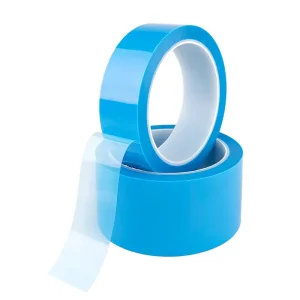
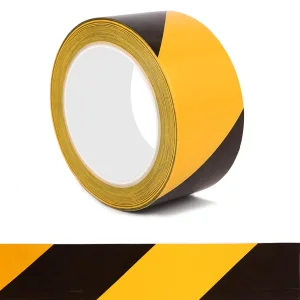
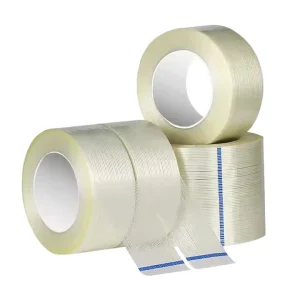
Direct answers covering material selection, manufacturing tolerances, prototyping cycles, and international compliance verification.