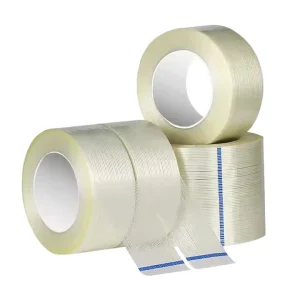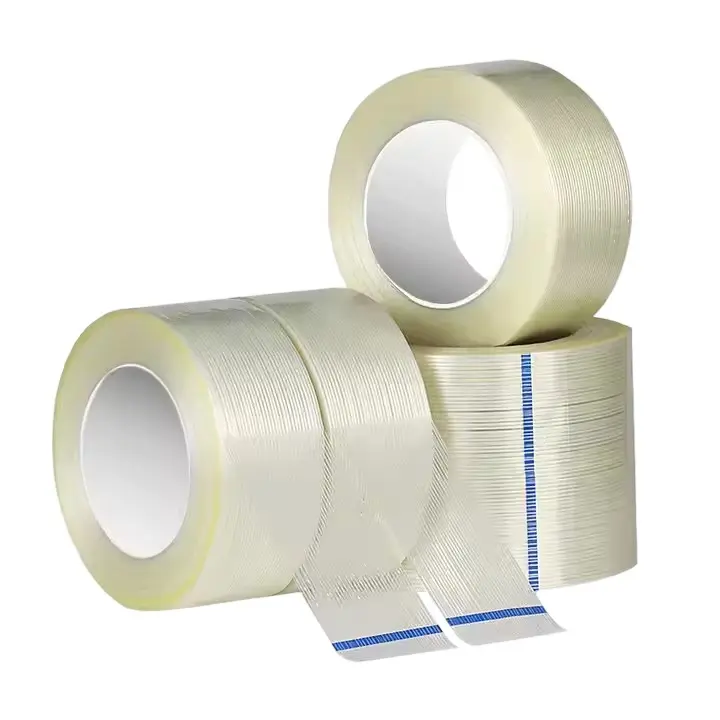
| Product Name | Model No | Carrier | Thickness (mm) | Heat Resistance (℃) | Tensile Strength | Equivalent |
|---|---|---|---|---|---|---|
| Fiberglass Tape | HY430-1 | Fiber glass | 0.17 | -20 ~ 80 | 800 | 3M898 |
| HY430-2 | Mesh polyester fiber | 0.20 | 850 | |||
| HY430-3 | Polyester fiber | 0.17 | 750 | |||
| HY430-4 | Double-sided | 0.18 | 850 | |||
| HY430-5 | Non-residual glass fiber | 0.14 | -10 ~ 80 | 850 | ||
| HY430-6 | Residual glass fiber | 0.15 | -5 ~ 70 | 850 |
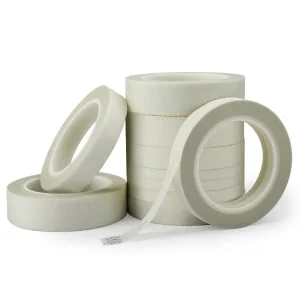
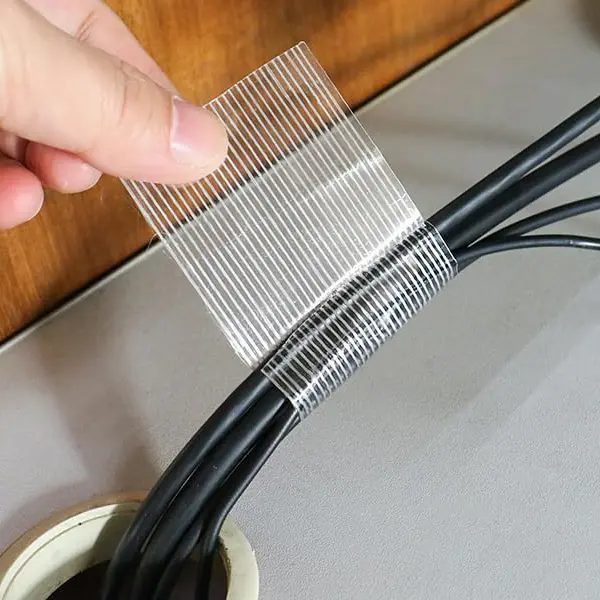
Glass fiber adhesive tape is soft, easy to stretch and good to fit, which is very suitable for bundling, branch fixing and temporary fixing of wire harness.
Due to the light and thin material, fiberglass tape is suitable for insulation scenes sensitive to thickness, such as:
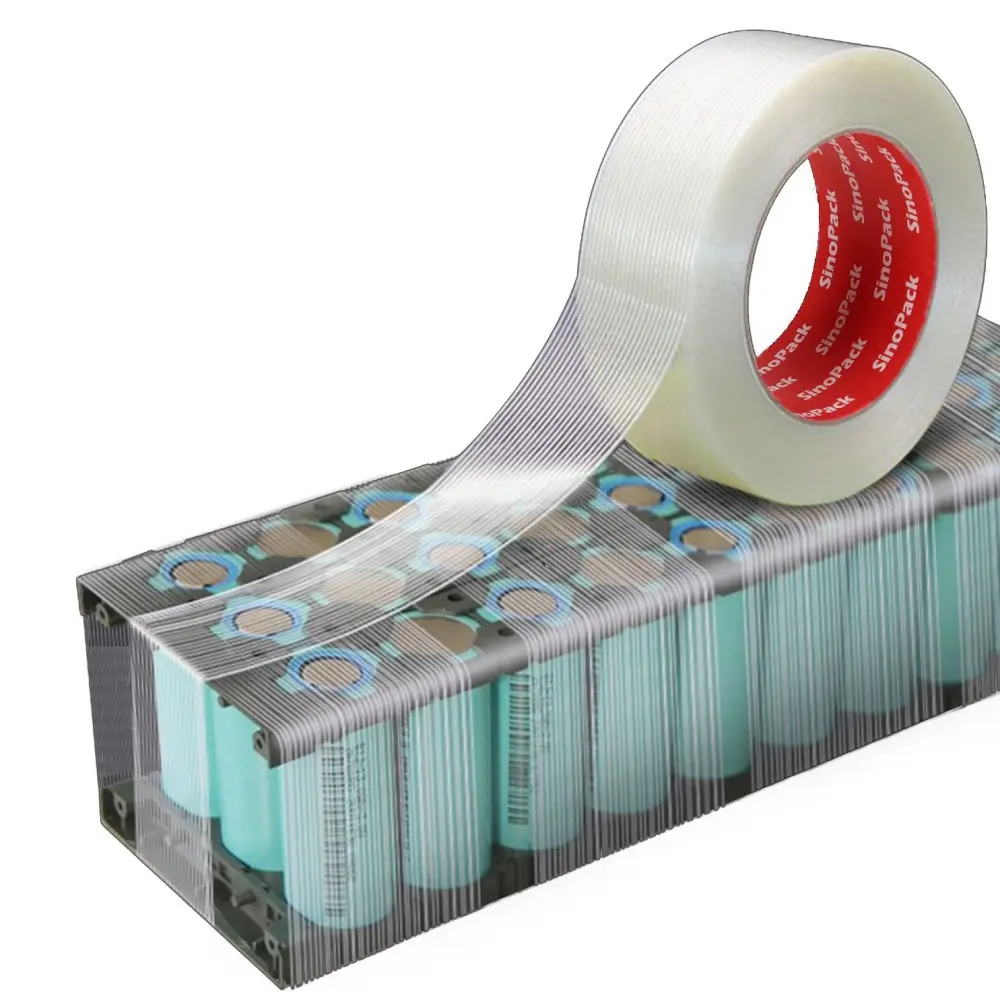
In the manufacture of lithium batteries, glass fiber tape is often used for:
Glass fiber tape can be used in SMT and PCB processes:
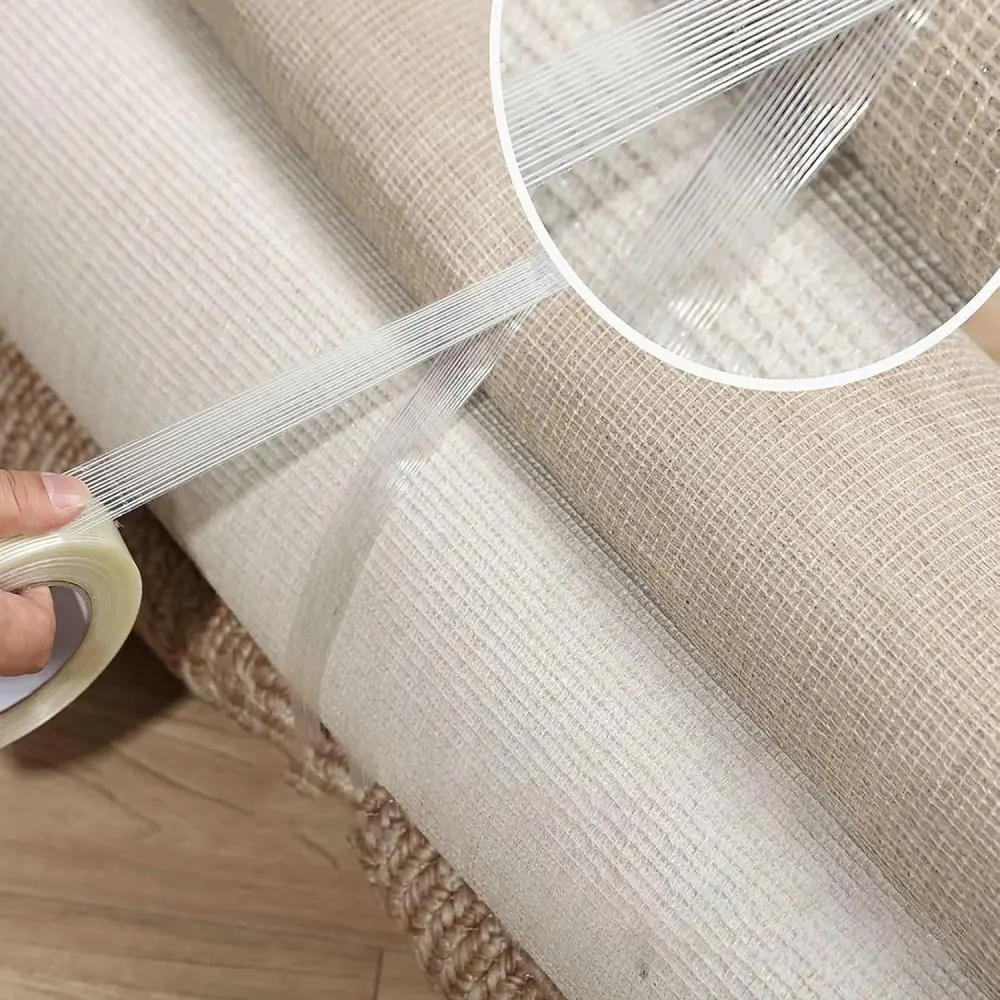
Fiberglass tape is made of high-strength glass fiber cloth as the base carrier, coated with high-temperature resistant silica gel or acrylic adhesive. This combination gives it excellent mechanical strength, heat resistance, and electrical insulation performance.
Depending on the model, fiberglass tape can operate within a temperature range of -20℃ to 80℃ for most standard variants. Specific models such as HY430-5 and HY430-6 have slightly different ranges (-10~80℃ and -5~70℃ respectively), making them suitable for a wide variety of industrial environments.
Non-residual fiberglass tape (HY430-5) is designed to leave no adhesive residue after removal, making it ideal for clean manufacturing processes. Residual fiberglass tape (HY430-6) may leave slight adhesive traces upon removal and is typically used in applications where residue is not a concern.
Yes. Fiberglass tape is widely used in lithium battery manufacturing for surface packing of battery cores, temporary fixation between battery cores and protective plates, and bundling of wire harnesses inside battery modules. Its thin and lightweight nature ensures no extra thickness is added to battery cells.
Absolutely. Fiberglass tape is commonly used in SMT and PCB processes for temporarily fixing flexible circuit boards (FPC), masking areas that should not be tinned or coated, and providing temporary protection during various stages of the manufacturing process.
The HY430-1 model, which uses a fiber glass carrier with a thickness of 0.17mm and a tensile strength of 800, is listed as equivalent to 3M898. It is suitable for a wide range of bundling, insulation, and fixing applications across electronics and industrial sectors.