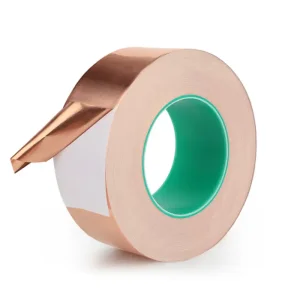
Essential high-temperature masking tapes, conductive fabrics, and glass cloth barriers developed for precision selective laser sintering (SLS), powder coating baking, and localized thermal shielding.
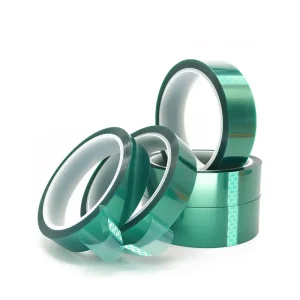
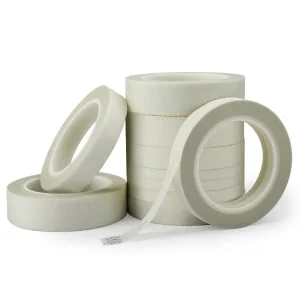
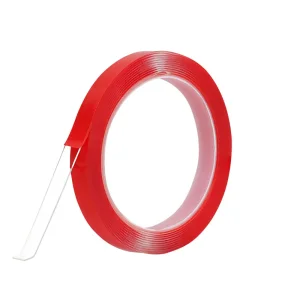
Additive manufacturing (AM) has shifted from preliminary rapid prototyping into structural end-use component fabrication across aerospace, hyper-performance automotive, and micro-electronics. As 3D printing technologies such as Powder Bed Fusion (PBF), Selective Laser Sintering (SLS), and Direct Metal Laser Sintering (DMLS) evolve, component post-processing demands tailored, resilient surface protection systems.
Heat resistant 3D printing powder coating represents a specialized cross-disciplinary polymer matrix. Formulated with silicone-modified polyesters, advanced fluoropolymer hybrid compounds, and nano-ceramic thermal barrier additives, these powder systems withstand operational thermal thresholds surpassing 250°C to 650°C without structural embrittlement, dielectric degradation, or micro-cracking.
During thermoset post-bake exposure (typical crosslinking window: 180°C–220°C for 15–30 minutes), 3D printed substrates—especially polyamide-12 (PA12) or polyetheretherketone (PEEK)—face degassing risks and structural warpage. Our factory's proprietary low-temperature cross-linking thermoset powder blends mitigate thermal stress while yielding an ultra-durable, scratch-proof crystalline finish.
Bridging chemical synthesis scale, integrated upstream precursor access, and ISO-certified consistency to resolve global supply vulnerabilities.
Our dual manufacturing plants in Zhuhai and Zhongshan leverage direct upstream supply of specialty silicone resins, crystalline fillers, and polyimide backbones across the Greater Bay Area, mitigating raw material inflation and ensuring consistent production runs for overseas volume procurements.
Contamination inside 3D printing powders or electrical masking tapes causes severe electrostatic discharge (ESD) failure and coating pinholes. Our dust-free coating workshops and automated micronizing mills isolate external particulates to achieve Class 10,000 cleanroom standards.
With on-site precision slitting machines, bespoke powder formulation labs, and die-cutting lines, customized sample requests are fulfilled within 24 hours. Formulations can be fine-tuned for specialized dielectric breakdown voltages, RAL/Pantone colors, or unique matte/gloss surface textures.
Transformative engineering patterns driving the next decade of additive post-processing and industrial coating chemistry.
Eliminating the requirement for sustained thermal baking ovens, emerging UV-curable powders achieve full polymer crosslinking at temperatures under 100°C, opening the door for direct powder application on low-temperature 3D filaments and delicate photopolymers.
With higher power densities in compact EV inverters and drone components, heat-resistant coatings must dual-function as electrical insulators (>5 kV/mil breakdown) while providing anisotropic thermal dissipation (thermal conductivity > 1.5 W/m·K).
Unlike liquid polyurethane or epoxy coatings, modern electrostatic 3D printing powders achieve near 98% utilization efficiencies through fluidized cyclone reclamation, fully compliant with strict EU RoHS and REACH environmental mandates.
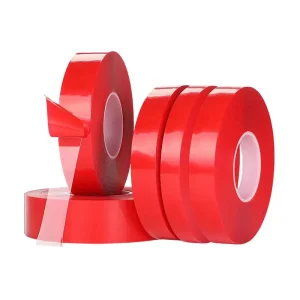
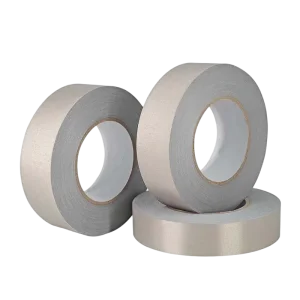
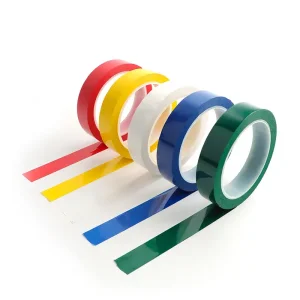
Achieving sharp demarcation lines during selective powder application relies on residue-free polyimide and silicone adhesive tapes, ensuring zero outgassing adhesive transfer onto precision-machined mating surfaces.
Where rapid digital fabrication converges with extreme mechanical, chemical, and thermodynamic stresses.
Direct-to-metal powder coating across 3D printed busbars and lithium battery housing trays. Delivers high-dielectric breakdown containment (Class H 180°C to Class C >200°C) combined with high-impact flame-retardant (UL94 V-0) performance to suppress thermal runaway propagation.
Titanium and Inconel selective laser-melted engine fuel nozzles and climate exhaust components. Protected with ceramic-reinforced silicone powder coatings, maintaining continuous operational stability under thermal fluctuations reaching 500°C while resisting aviation kerosene wash.
Wafer handling end-effectors and plasma chamber brackets created via additive manufacturing. Coated with cleanroom-certified, ultra-low outgassing powders and protected during selective processing via high-temperature silicone masking tapes.
International OEM sourcing directors and contract manufacturing groups require stringent quality verification parameters. Standardized global procurement checkpoints include:
Treating surface finishing as an isolated step frequently results in delamination, adhesion failure, or elevated post-processing scrap rates. Huayuan provides holistic material compatibility architectures:
By synchronizing our custom heat resistant powder coatings with matching high-adhesion polyimide masking films, precision die-cut polyester dots, and high-holding-power glass cloth tapes, manufacturers eliminate secondary finishing clean-up. Non-silicone adhesive variants are also engineered to prevent bath contamination in electro-deposition setups.
Our engineers directly collaborate with client technical departments, advising on substrate preparation, degreasing chemistry, pre-heating parameters for rapid SLS polymers, and custom dielectric curing profiles.
Detailed insights regarding heat resistance thresholds, substrate compatibility, customization, and factory operations.
Complementary performance adhesives and technical glass fiber cloth materials optimized for post-coating assembly and electrical enclosure integration.