Precision-coated pressure-sensitive adhesive tapes directly manufactured from ISO-certified Chinese facilities for high-reliability electrical insulation, thermal reflection, and EMI/RFI shielding.
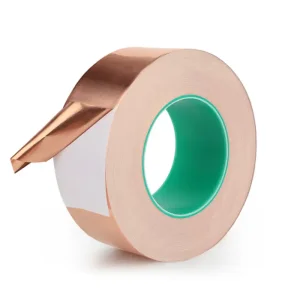
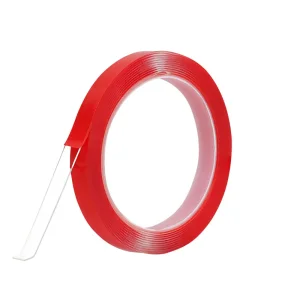
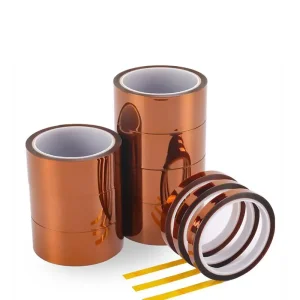
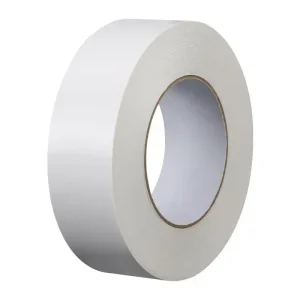
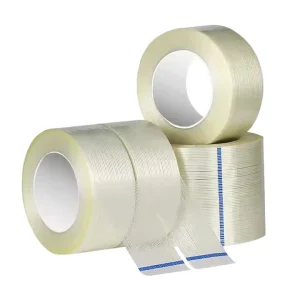
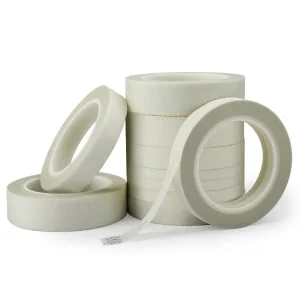
Metalized Mylar Tape—synthesized by vacuum aluminum vapor deposition onto bi-oriented polyethylene terephthalate (BOPET) film paired with engineered pressure-sensitive adhesives (PSA)—represents a critical class of materials in modern industrial thermodynamics, aerospace thermal management, and electrical insulation architectures. As global manufacturing transitions toward electrification, higher power densities, and aggressive weight-reduction mandates, metallized polyester film substrates have evolved beyond simple reflection barriers into complex dielectric and electromagnetic compatibility (EMC) engineered components.
In the contemporary global landscape, North American and European OEM engineers require extreme thermal reflectivity, flame retardancy (UL94 V-0/VTM-0 compliance), minimal outgassing, and low surface resistivity. China has transformed into the primary global manufacturing hub for advanced Metalized Mylar Tape, bridging the gap between ultra-pure polymer extrusion, high-vacuum optical metallization, and continuous slot-die adhesive coating. Chinese suppliers now leverage fully integrated supply chains that reduce production cycles while adhering strictly to international standards including ISO9001:2015, REACH, RoHS, and ASTM test protocols.
BOPET carrier films undergo two-way stretch processing during extrusion, generating molecular alignment that imparts tensile strength up to 200 MPa. When placed inside physical vapor deposition (PVD) vacuum chambers, high-purity aluminum (99.99%) is vaporized at 1400°C to deposit a microscopic layer (200–500 Angstroms) on the PET surface. This generates an Optical Density (OD) rating between 2.0 and 3.0, achieving near-total opacity to radiant thermal energy while preserving flexibility and dielectric isolation.
Procurement officers and electrical engineers must evaluate Metalized Mylar Tapes based on precise quantitative metrics rather than nominal trade descriptions. Below is the standardized technical performance matrix for China-manufactured industrial metalized polyester tape grades with acrylic, silicone, and synthetic rubber adhesive backings.
| Performance Metric | Testing Standard | Acrylic Adhesive Grade | Silicone Adhesive Grade | Flame-Retardant Grade |
|---|---|---|---|---|
| Base Carrier Thickness | ASTM D3652 | 12 μm to 50 μm (PET) | 25 μm to 75 μm (PET) | 25 μm to 50 μm (UL PET) |
| Total Tape Thickness | ASTM D3652 | 0.045 mm – 0.090 mm | 0.055 mm – 0.110 mm | 0.060 mm – 0.100 mm |
| Optical Density (OD) | ANSI/COPT T1213 | 2.2 – 2.8 | 2.5 – 3.0 | 2.0 – 2.5 |
| Adhesion to Steel | ASTM D3330 / PSTC-101 | > 9.0 N / 25mm | > 7.5 N / 25mm | > 8.5 N / 25mm |
| Tensile Strength | ASTM D3759 | ≥ 110 N / 25mm | ≥ 130 N / 25mm | ≥ 120 N / 25mm |
| Elongation at Break | ASTM D3759 | 80% – 120% | 90% – 140% | 70% – 110% |
| Dielectric Strength | ASTM D149 | 4.5 kV – 6.0 kV | 5.0 kV – 7.0 kV | 5.5 kV – 6.5 kV |
| Thermal Endurance | IEC 60216 | -20°C to +120°C | -40°C to +180°C | -30°C to +150°C |
| Flame Retardancy | UL 94 Specification | HB Equivalent | UL94 V-2 | UL94 V-0 Pass |
The global demand for high-performance tape materials has directed tier-1 automotive and electronic component assemblers toward Chinese specialized factories. China’s competitive advantage in Metalized Mylar Tape manufacturing relies on three distinct structural pillars: Raw Material Aggregation, Cleanroom Coating Automation, and Precision Custom Die-Cutting Ecosystems.
Leading Chinese factory clusters in Guangdong and Zhejiang integrate polymer resin synthesis, BOPET film extrusion, vacuum aluminum deposition, adhesive formulation, and high-speed precision slot-die coating within a 50-kilometer radius. This eliminates international freight lag for raw materials and lowers unit cost structure by 25–40% compared to Western converters.
Modern Chinese suppliers utilize closed-loop, automated optical inspection (AOI) coating lines inside dust-free Class 10,000 (ISO Class 7) environments. Infrared thickness sensors continuously monitor glue weight, ensuring zero pinholes, particle inclusions, or fish-eyes across jumbo roll widths up to 1300 mm.
Whether demanding custom liner kiss-cutting, sub-millimeter slitting, anti-static (ESD) top-coatings, or multi-layer laminate combinations (PET + Metalized Film + Fiberglass Mesh), Chinese producers offer low MOQ prototyping with sample delivery lead times as brief as 3 to 5 business days.
Metalized Mylar Tape serves critical protective, insulating, and reflective functions across diverse advanced manufacturing sectors worldwide. Below are four key technical application profiles where Chinese metalized polyester tapes deliver engineered high performance.
Challenge: Electric vehicle battery modules require lightweight insulation that prevents cell-to-cell thermal runaway propagation while reflecting thermal radiation generated by high-current charge cycles.
Solution: Die-cut flame-retardant Metalized Mylar Tape applied over battery cell outer walls. The mirror-like aluminum layer reflects infrared thermal surges away from adjacent pouch or cylindrical cells, while the PET film guarantees over 5 kV of electrical ground isolation.
Challenge: Airborne signal cables and flight control units are subjected to severe high-frequency electromagnetic interference (EMI) and radio frequency interference (RFI) without permitting heavy metallic conduits.
Solution: Ultra-thin 12 μm Metalized Mylar tape wrapped around wire bundles in spiral overlaps. The conductive aluminum coating forms a continuous Faraday cage shield that attenuates stray electromagnetic signals by up to 65 dB across the 30 MHz – 10 GHz spectrum.
Challenge: Architectural foil-faced insulation panels and commercial HVAC ducting demand air-tight, moisture-proof joint sealing tape that withstands thermal expansion without flagging or adhesive failure.
Solution: Heavy-duty 50 μm Metalized PET tape coated with high-tack, cold-weather acrylic adhesive. The tape forms an impenetrable barrier against water vapor ingress (WVTR < 0.05 g/m²·24h), preserving duct thermal efficiency for decades.
Challenge: Automated web printing and flexible packaging lines require flying splice tape with high tensile shear strength and precise optical sensors detection.
Solution: Reflective Metalized Polyester Splicing Tape equipped with photo-electric reflective properties. The tape triggers automated sensor registration for smooth web transition at operating speeds exceeding 800 meters per minute.
When selecting a strategic OEM supplier or factory in China for Metalized Mylar Tape, international procurement managers must establish rigorous verification steps beyond basic price quotation. Follow this standardized four-phase supplier evaluation checklist to guarantee batch-to-batch consistency and supply chain compliance.
Verify raw material resin traceability and physical vapor deposition equipment specifications. Confirm whether the supplier extrudes base PET film or sources prime-grade optical films.
Request third-party SGS/Intertek test certificates for RoHS 10 compliance, REACH SVHC list, halogen-free status, and UL94 flame resistance rating.
Perform thermal chamber environmental stress testing (85°C / 85% RH for 1,000 hours) to verify the adhesive layer does not yellow, shrink, or lose peel tack.
Inspect precision slitting edges. High-quality factories feature zero edge-telescoping, burr-free roll edges, and slit width tolerances held within ±0.2 mm.
Driven by artificial intelligence hardware infrastructure, 800V electric vehicle architectures, and green building standards, the design parameters for metalized Mylar tapes are advancing rapidly:
Explore our full range of specialty pressure-sensitive industrial tapes engineered for high-temperature masking, structural double-sided mounting, and specialty insulation applications.
Detailed engineering and procurement answers provided by our senior adhesive specialists to assist your material qualification process.