Engineered roll goods, heat-resistant insulation tapes, and custom-converted adhesive paper components built to rigorous international standards.
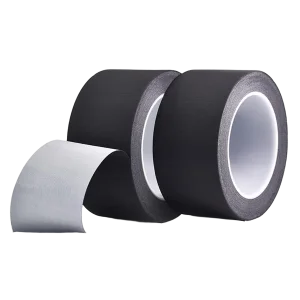
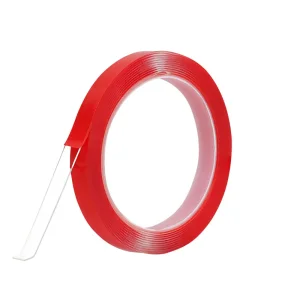
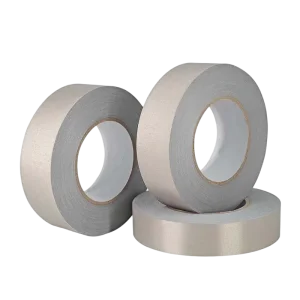
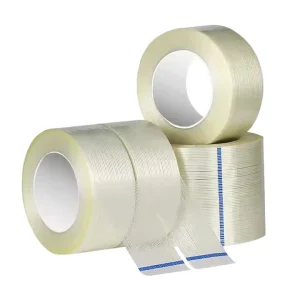
Understanding how technical paper conversion has shifted from simple packaging tags to micrometer-level electro-mechanical insulation, thermal shielding, and cleanroom semiconductor masking.
The contemporary electronics sector no longer treats die cut paper as mere spacers. The rise of high-density interconnects, foldable displays, and 5G transceiver arrays necessitates engineered dielectric paper (including fish paper, vulcanized fibre, and aramid sheets) kiss-cut with strict concentricity down to ±0.05 mm without burrs or particulate shedding.
Electric Vehicle (EV) battery systems require multi-layered dielectric insulating papers combined with high-tack acrylic adhesives capable of surviving continuous thermal operational ceilings of 150°C to 200°C. In-plane flame-retardant paper gaskets (UL 94 V-0 certified) isolate individual pouch and cylindrical cell interconnects, mitigating cascade runaway events.
Global ESG mandates and European REACH/RoHS compliance have pushed manufacturers to transition from traditional heavy-solvent silicone coating systems to solvent-free thermal silicone systems on ultra-calendered Kraft (SCK) and glassine liners. The focus centers on closed-loop recyclability without sacrificing release force stability over multi-month sea freight transport.
B2B technical buyers and value-engineering groups must weigh complex mechanical, chemical, and dimensional trade-offs before approving a China-based die cut paper manufacturer.
High-speed automated pick-and-place application equipment fails if release liner values fluctuate. Suppliers must demonstrate controlled release force dynamics—differentiating low-speed peel (300 mm/min) from ultra-high-speed stripping (10–30 m/min)—ensuring liners pull away cleanly without tensile rupture or edge tear.
Aramid, Nomex, and compressed fiber papers carry significant abrasive fibers that erode standard tool steels. Suppliers must employ solid tungsten carbide rotary dies or vacuum-assisted magnetic cylinders with cryogenic heat-treated flexible dies to maintain stable kiss-cutting depth across runs exceeding 500,000 cycles.
Cellulose and compressed rag papers naturally absorb moisture, yielding dimensional distortion across international container transit. Factory controls require pre-conditioning chambers, moisture barrier inner-liner polybags, and desiccated vacuum packaging to lock dimensional tolerance to within ±0.03 mm upon arrival.
High-viscosity solvent acrylics and pressure-sensitive silicone adhesives can seep along die-cut edges (cold flow). Specialized chemical cross-linking treatments alongside edge-talc dust-free neutralization eliminate edge-blocking during automated coil unwind operations.
| Substrate Family | Base Composition | Thermal Index | Dielectric Breakdown | Recommended Die-Cutting Method | Compliance Tier |
|---|---|---|---|---|---|
| Nomex® Aramid Paper | Synthetic aromatic polyamide calendered sheet | Class H (180°C - 220°C) | > 20 kV/mm | Carbide Rotary / CNC Laser | UL 94 V-0 / RoHS |
| Vulcanized Fish Paper | Chemically gelatinized cotton cellulose | Class E (105°C - 120°C) | > 10 kV/mm | Precision Steel Rule / Flatbed | REACH / RoHS |
| Polycoated Kraft (PCK) | Natural virgin pulp + LDPE moisture barrier | Intermittent (up to 120°C) | Non-insulative release carrier | Kiss-Cut Magnetic Cylinder | Halogen-Free |
| Glassine Release Paper | Supercalendered translucent wood pulp | Intermittent (up to 140°C) | Base packaging substrate | High-Speed Multi-Cavity Rotary | FSC / REACH |
| Thermal Interface Paper | Ceramic filled cellulose composite | Continuous 150°C | > 6 kV/mm | Hydraulic Clamshell / Rotary | UL Listed |
How leading Chinese converters in the Greater Bay Area have transcended cheap labor to build fully automated, algorithm-monitored manufacturing ecosystems capable of complex OEM production.
Unlike regional brokers who buy converted rolls from third parties, top-tier Chinese manufacturers synthesize their own pressure-sensitive adhesive formulations in-house. Utilizing multi-station precision coating heads (comma coater, micro-gravure, and slot-die systems), factories control wet coating thickness down to ±1 micron, directly laminating release liners under cleanroom Class 1,000 protocols.
Manual human sorting is obsolete in tier-1 facilities. High-speed multi-axis die-cutting lines integrate 8K line-scan CCD cameras with real-time neural network image processing. The system inspects every single die-cut paper part at 60 meters per minute, automatically rejecting foreign particulates, pinholes, adhesive discontinuities, and dimensional offsets exceeding 20 microns.
Operating within the Pearl River Delta (Zhuhai, Zhongshan, Shenzhen) grants immediate physical proximity to world-class chemical synthesis plants, tooling tool-and-die shops, and primary export terminals. Tooling changes that take 2–3 weeks in North America or Western Europe take only 24–48 hours here, shortening prototype iteration cycles dramatically.
From micro-gaskets inside consumer wearable devices to high-voltage electric motor winding insulation, review our core field installations.
Custom-creased and slit Nomex-paper composites engineered to slip into motor stator slots without cracking. Provides mechanical cut-through resistance and withstands immersion in dielectric varnish and transmission fluids.
High-purity diamond dotted kraft paper and pressboard die-cuts that facilitate oil circulation while providing puncture-proof structural separation between primary and secondary copper windings.
Crepe paper discs backed with silicone adhesive formulated to cleanly strip from aluminum and steel extrusions after exposure to 220°C bake ovens, leaving sharp paint lines and zero residue.
Flame-retardant electrical barrier fish paper pre-laminated with double-sided acrylic adhesive, providing instant peel-and-stick dielectric isolation over welded aluminum battery busbars.
Comprehensive engineering guidance directly addressing tolerances, cleanroom requirements, lead times, and custom die fabrication.
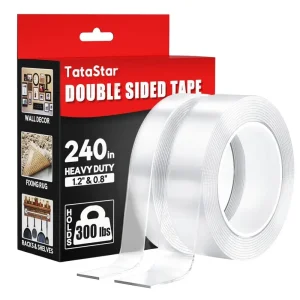
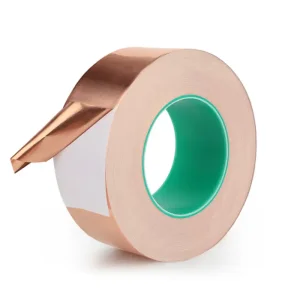
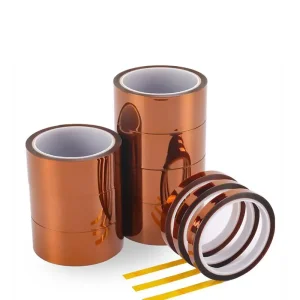
Complete your supply chain qualification with our comprehensive selection of high-viscosity VHB tapes, copper foil EMI shielding, and heat-resistant silicone products.
Send your 2D/3D CAD drawing (DXF, DWG, STEP) along with substrate preferences. Our Zhuhai & Zhongshan converting engineering teams provide DFM feedback, initial sample runs, and complete TDS documentation within 24 hours.